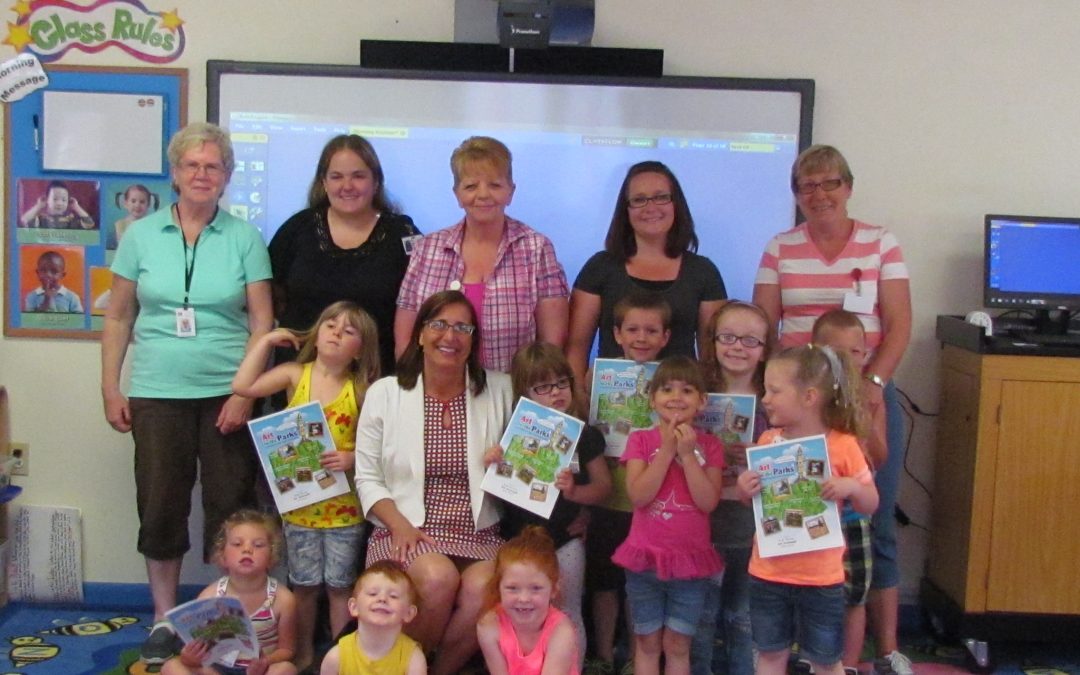
Tioga County Pre-K for PA Provider Bradford-Tioga Head Start Blossburg Welcomes Member of Sen. Scarnati’s Office at End of Year Celebration
Blossburg, PA (May 31, 2016) – As priorities in the 2016-17 fiscal year budget negotiations are being identified in Harrisburg, Pre-K for PA provider Bradford-Tioga Head Start in Blossburg, celebrated the advancement of its pre-k class to kindergarten alongside a representative from PA Senator Joe Scarnati’s office today.
Studies show that children who attend high-quality preschool enter kindergarten with better pre-reading skills, richer vocabularies, and stronger basic math skills than those who do not.
“The Bradford-Tioga Head Start program has certainly been an asset to children and families in our community,” Senator Joe Scarnati said. “Programs like this one make an important investment in the education of our children at a young age and help provide them with a strong learning foundation.”
Pre-K for PA providers across the state support continued investment in pre-k, and are urging the Pennsylvania legislature and the governor to expand access to thousands of at-risk kids in the final 2016-17 budget. Specifically, they are calling for $90 million in additional funding part of the 2016-17 final state budget.
“A multi-year goal for growing access to high-quality pre-k for all of the income eligible children and begin looking at pre-k affordability issues regarding middle class families must be identified as an urgent priority at the negotiating table this month,” said Blair Hyatt, Executive Director of the Pennsylvania Head Start Association, a Pre-K for PA Principal Partner.
While the 2015-16 budget investment was a positive step, the fact remains that more than 120,000 income eligible 3- and 4-year-olds do not have access each year due to insufficient funding.
The 2015-16 state budget included $30 million in additional funding for PA Pre-K Counts and Head Start Supplemental Assistance programs – expanding access to more than 6,000 at-risk children. Tioga County has more than 660 at-risk 3- and 4-year-olds, and a staggering 54 percent of them lacked access to publicly funded, high-quality pre-k last year.
Across Pennsylvania, there are more than 175,000 3- and 4-year-olds who are at-risk because they are in lower income households—70 percent of these at-risk young learners – more than 120,000 children statewide – had no access to publicly funded pre-k last year.
Pre-K for PA is an issue campaign supported by individuals and organizations across Pennsylvania who believe that investing in our children is the right choice and an urgent necessity. Its vision is that every 3- and 4-year-old in Pennsylvania will have access to high-quality pre-k. For more information visit www.prekforpa.org.
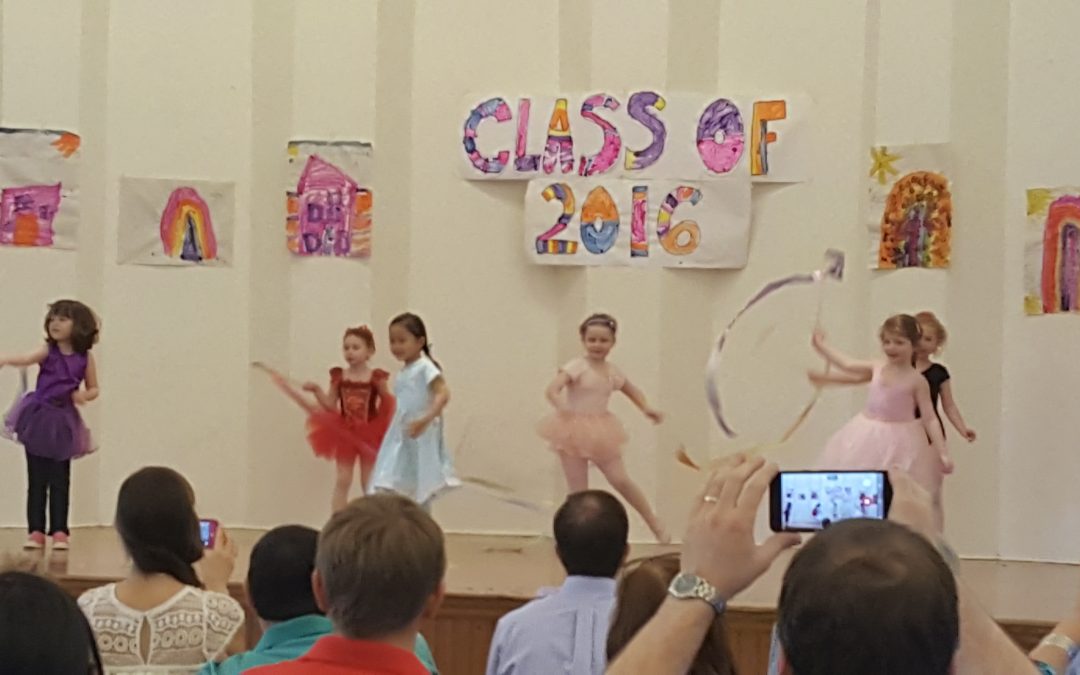
Pittsburgh Pre-K for PA Provider Carriage House Children’s Center Welcomes Sen. Costa and Rep. Frankel to End of Year Celebration
Pittsburgh, PA May 27, 2016 – As priorities in the 2016-17 fiscal year budget negotiations are being identified in Harrisburg, Pre-K for PA provider Carriage House Children’s Center celebrated the advancement of its pre-k class to kindergarten alongside PA State Senator Jay Costa and PA Representative Dan Frankel today.
“I’m so proud of everything these children have accomplished this year,” Senator Costa said. “As pre-k graduates, they’ve now started down the path to one of the most exciting journeys of their life that only a great education can provide. These young minds are the reason why we need to continue investing in early education programs and continue providing kids with the key to the future to open the door to endless possibilities.”
Studies show that children who attend high-quality preschool enter kindergarten with better pre-reading skills, richer vocabularies, and stronger basic math skills than those who do not.
“My daughter Cara is ready to start her new school in the fall largely because Carriage House has laid a great foundation for her to build upon,” said Melissa Rackoff, parent of Carriage House pre-k student. “Her pre-k education has focused on, not just her academic progress, but on her social and emotional development. The magical mix of encouragement and support that the teachers provide has bolstered Cara’s confidence and prepared her for the next set of challenges.”
Pre-K for PA providers across the state support continued investment in pre-k, and are urging the Pennsylvania legislature and the governor to expand access to thousands of at-risk kids in the final 2016-17 budget. Specifically, they are calling for $90 million in additional funding part of the 2016-17 final state budget.
“The importance of a quality pre-k education for our children cannot be overstated,” said Rep. Frankel. “It is the foundation upon which they can build their K-12 studies and ultimately become successful pillars of the community. I have always been proud to support pre-k education in my community and in the legislature.”
While the 2015-16 budget investment was a positive step, the fact remains that more than 120,000 income eligible 3- and 4-year-olds do not have access each year due to insufficient funding.
The 2015-16 state budget included $30 million in additional funding for PA Pre-K Counts and Head Start Supplemental Assistance programs – expanding access to more than 6,000 at-risk children. Allegheny County has more than 12,500 at-risk 3- and 4-year-olds, and a staggering 58 percent of them – about 7,300 children – lacked access to publicly funded, high-quality pre-k last year.
Across Pennsylvania, there are more than 175,000 3- and 4-year-olds who are at-risk because they are in lower income households—70 percent of these at-risk young learners – more than 120,000 children statewide – had no access to publicly funded pre-k last year.
Pre-K for PA is an issue campaign supported by individuals and organizations across Pennsylvania who believe that investing in our children is the right choice and an urgent necessity. Its vision is that every 3- and 4-year-old in Pennsylvania will have access to high-quality pre-k. For more information visit www.prekforpa.org.

Westmorland County Pre-K for PA Provider Ruffsdale Center Welcomes Rep. Harhai and Rep. Dunbar to End of Year Celebration
Sen. Bartolotta Reads to Students from Community Action Southwest Head Start during Visit to Flenniken Library
Ruffsdale, PA May 26, 2016 – As priorities in the 2016-17 fiscal year budget negotiations are being identified in Harrisburg, Pre-K for PA provider Ruffsdale Center, a program of Westmoreland Community Action Head Start, celebrated the advancement of its pre-k class to kindergarten alongside PA Representative Ted Harhai and Representative George Dunbar today.
During the same time today in Carmichaels, PA State Senator Camera Bartolotta read to students from Community Action Southwest Head Start at the Flenniken Library during their visit. Community Action Southwest Head Start received Pre-K Counts expansion funds earlier this year as part of the $30 million investment in the 2015-16 state budget. This funding provides access to high-quality pre-k for more local children.
Studies show that children who attend high-quality preschool enter kindergarten with better pre-reading skills, richer vocabularies, and stronger basic math skills than those who do not.
“The kindergarten I attended doesn’t exist anymore,” said Scott Poloff, M.Ed., Director of Children Services Westmoreland Community Action. “What we expect kids to do in kindergarten today is dramatically different and increasingly demanding. Kids need the Head Start and pre-k preparation to enter Kindergarten ready to learn.
“So much of what we do in early childhood is about social and emotional development, and over the course of this year we have seen these kids grow and our goal is to see every kid have the same opportunity.”
Pre-K for PA providers across the state support continued investment in pre-k, and are urging the Pennsylvania legislature and the governor to expand access to thousands of at-risk kids in the final 2016-17 budget. Specifically, they are calling for $90 million in additional funding part of the 2016-17 final state budget.
“A multi-year goal for growing access to high-quality pre-k for all of the income eligible children and begin looking at pre-k affordability issues regarding middle class families must be identified as an urgent priority at the negotiating table this month,” said Blair Hyatt, Executive Director of the Pennsylvania Head Start Association, a Pre-K for PA Principal Partner.
While the 2015-16 budget investment was a positive step, the fact remains that more than 120,000 income eligible 3- and 4-year-olds do not have access each year due to insufficient funding.
The 2015-16 state budget included $30 million in additional funding for PA Pre-K Counts and Head Start Supplemental Assistance programs – expanding access to more than 6,000 at-risk children. Westmoreland County has more than 3,900 at-risk 3- and 4-year-olds, and a staggering 71 percent of them – about 2,790 children – lacked access to publicly funded, high-quality pre-k last year. In Greene County, 59 percent of the more than 520 at-risk 3- and 4-year-olds lacked access last year.
Across Pennsylvania, there are more than 175,000 3- and 4-year-olds who are at-risk because they are in lower income households—70 percent of these at-risk young learners – more than 120,000 children statewide – had no access to publicly funded pre-k last year.
Pre-K for PA is an issue campaign supported by individuals and organizations across Pennsylvania who believe that investing in our children is the right choice and an urgent necessity. Its vision is that every 3- and 4-year-old in Pennsylvania will have access to high-quality pre-k. For more information visit www.prekforpa.org.
# # #

City Council Members Join Education Activists In Push For Affordable Pre-K
May 23, 2016 By Sarah Schneider
Pittsburgh City Council members and education activists say it’s time for Pennsylvania lawmakers to prioritize affordable early childhood education in the state’s budget.
Pre-K for PA Coalition activists will travel to Harrisburg on June 14 to push for a sustainable source for publicly funded early childhood education.
They’re also supporting Gov. Tom Wolf’s proposal to expand funding for Pre-K Counts, a statewide program that provides subsidies for low-income families.
Councilman Dan Gilman said Monday he’s already exploring pre-K options for his three month old. Like Gilman, many advocates point to a correlation between Pre-K programs and a decreased likelihood of incarceration.
“(My son) is a lot more likely to have a lifetime of earning. He’s a lot less likely to be on welfare and other public subsidies. He’s a lot more likely to be an efficient reader in third grade,” he said. “We can go through all of the metrics and we know because of decisions I’m making now, we’re providing that opportunity.”
Council estimates Allegheny County currently serves 20,000 3- and 4-year-olds without access to publicly funded, high-quality pre-kindergarten programs.
Those figures include Jessica Conway of Squirrel Hill. The mom-of-two has a master’s degree in secondary education and worked at an early childhood education center in the city, but with her second baby, she had to quit. Conway said she was paying almost as much for tuition for her sons as she was making in income.
Read the full article here.
Advocates in Pittsburgh say early education helps kids a lot, so why isn’t there more funding?
May 23, 2016 By Iain Oldman, PublicSource
Pittsburgh city council members, pre-K educators and child care advocates gathered Monday to raise awareness and issue a call to action about the need for affordable and high-quality early education.
Council members Dan Gilman, Natalia Rudiak and Deb Gross spoke at the City County Building in downtown Pittsburgh for a press conference planned by advocacy groups Pittsburgh Raising Every Kid: PreK Now, One Pittsburgh and the Pittsburgh Association for the Education of Young Children (PAEYC).
Nearly 12,600 children living in Allegheny County are part of a family who live three times below the poverty level in what equates to a family of four earning $72,750 or less a year, according to a report released by Pennsylvania Partnerships for Children.
Of those children eligible for pre-K programs, more than 7,300 do not have access to publicly funded, high-quality early education, according to the report. Statewide, the number of children lacking access approaches 120,700 children.
“It doesn’t matter what laws we pass… if you can’t afford to raise a family in Pittsburgh, it is not a city anymore,” said Councilman Dan Gilman, representative of Pittsburgh’s District 8.
The Pew Charitable Trusts describes high-quality pre-K programs as programs that include well educated teachers, low teacher-student ratios and small class size, curriculums aligned to K-12 standards and engaged families.
Numbers provided by the city council show that children who do not receive high-quality early education are 25 percent more likely to drop out of school, 50 percent more likely to be placed in special education and 60 percent less likely to attend college.
“So much of that can be avoided by providing early education,” Rudiak said. “We know we can’t sit around and wait for Harrisburg and D.C. to act.”As part of the City Council Women’s Caucus in Pittsburgh, Gross and Rudiak sponsored legislation that was passed unanimously in December to create the Office of Early Childhood.
According to the city council’s press release, the purpose of the office is to “align city services that affect young children,” including early education. The office has yet to name an Early Childhood Manager, though applications for the position recently closed. The position will carry a salary of $65,901 per year, according to Pittsburgh’s 2016 operating budget.
The City Council Women’s Caucus also introduced legislation in 2014 to conduct a “child care needs assessment” to evaluate where child care exists in the city and what providers require to boost their quality of child care. Rudiak, who represents Pittsburgh’s District 4, said Monday that the assessment will be released soon.
“Pittsburgh is ready to take the next step toward universal, high-quality early education” said Erin Kramer, One Pittsburgh’s Director, according to a press release. “As our state Legislature enters budget season, we are joining together with old and new allies to remind our representatives that investments in early childhood yield returns across a lifetime. Children are the future of this state, and we refuse to allow them to be left behind any longer.”
The PreK for PA campaign has an Early Childhood Action Day planned for June 14 in Harrisburg to meet with state legislators.
In February, Gov. Tom Wolf announced that he intended to ask the General Assembly to earmark $90 million of state funding to support preschool programs in fiscal year 2016-17. If the funds are granted, the state budget for preschool programs next year would increase from $166.5 million to $256.3 million.
That would open and expand access to preschool programs to about 14,000 children, according to the Wolf administration. A PreK for PA statement said that would still leave more than 107,000, or 61 percent, of at-risk preschool-aged children without access to high-quality programs.
Sarah Byrne-Houser, public policy and outreach associate for PAEYC, said the early childhood education advocacy groups anticipate challenges in the state budget process.
Read the full article here.